
Water removal and sump pumps
Standing water under the house is the one crawl space problem you shouldn't sit on. We pump it out, work out where it's coming from, and give it a permanent way out.
Sometimes that's grading and downspouts. Sometimes it's a drain along the footings. In a lot of valley neighborhoods during irrigation season, it's a sump pump.
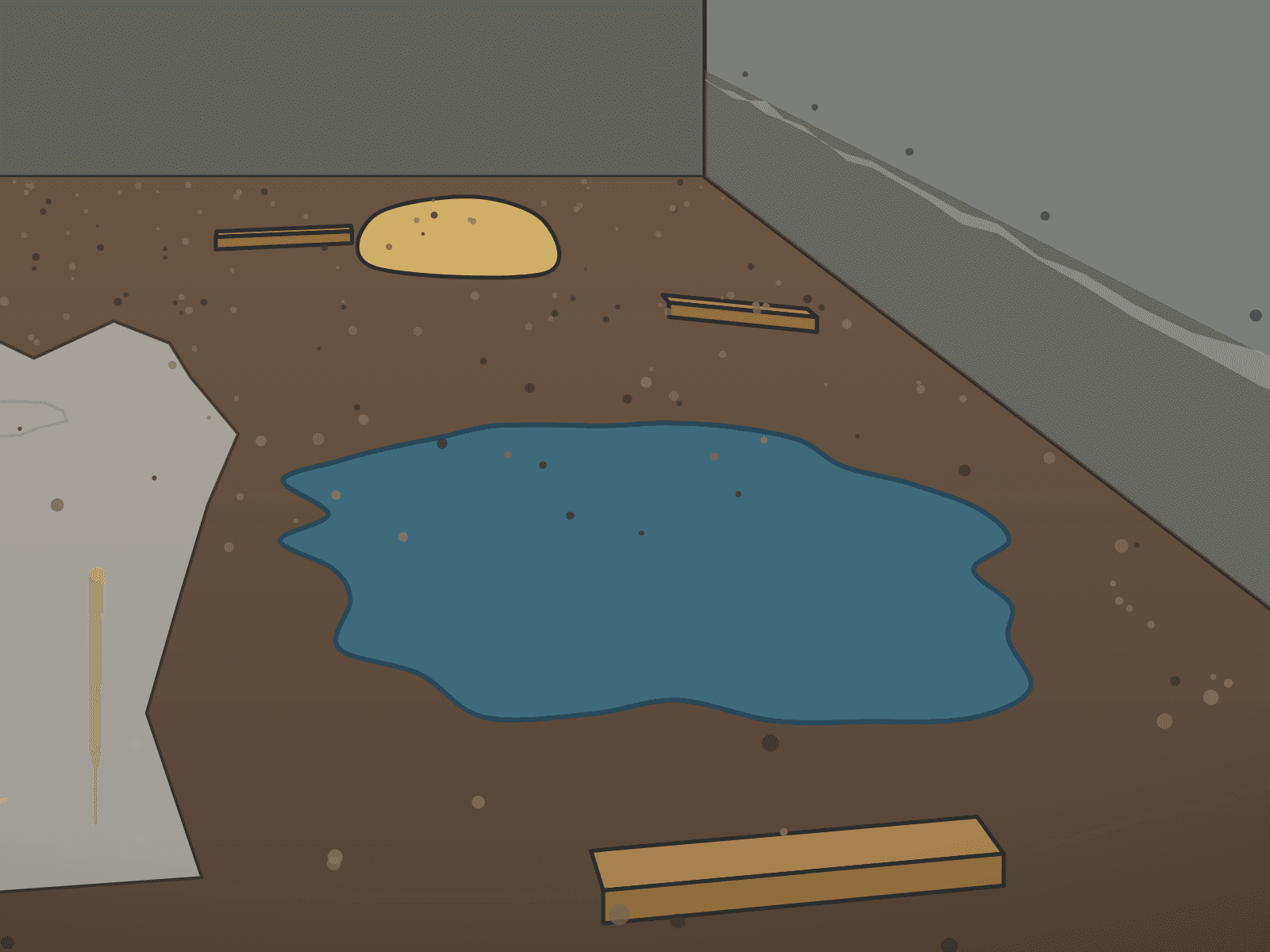
Where crawl space water comes from here
- Groundwater coming up from below while the canals are running, roughly April to October
- Yard sprinklers, downspouts, or grading that sends water toward the foundation
- Seepage from a nearby canal, lateral, or drain ditch
- A plumbing leak. If the water is clean and shows up year-round, check that first. We’ll tell you if we think you need a plumber instead of us.
How we do it
- 1
Pump it out
Get the standing water out and start drying the space so we can see the ground and the footings.
- 2
Find the source
When it shows up matters: only during irrigation season, after storms, or all the time. That points to groundwater, surface water, or plumbing.
- 3
Fix the outside first
If grading, downspouts, or sprinkler heads are sending water at the house, that gets fixed before anything else goes in.
- 4
Drain and sump
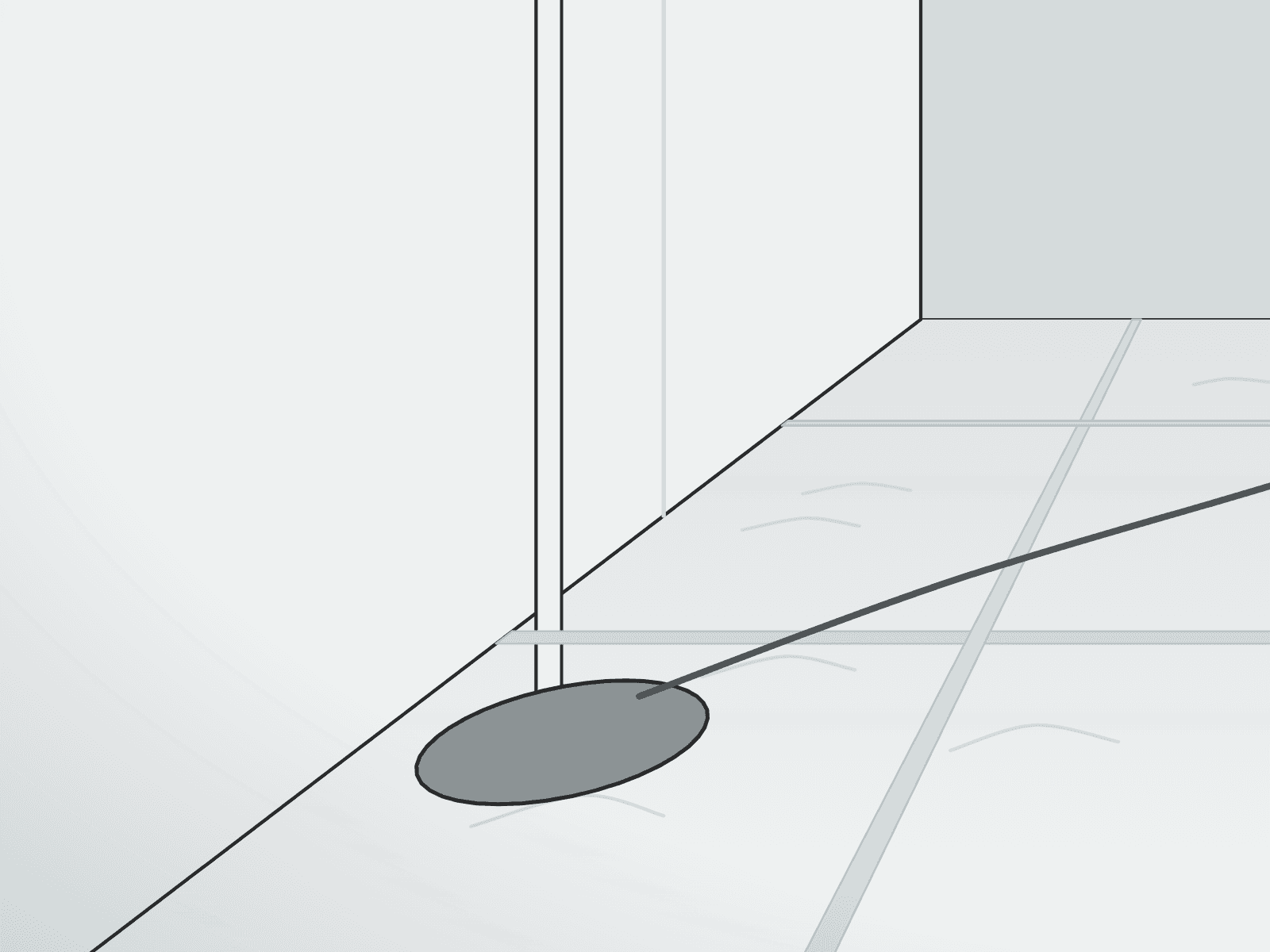
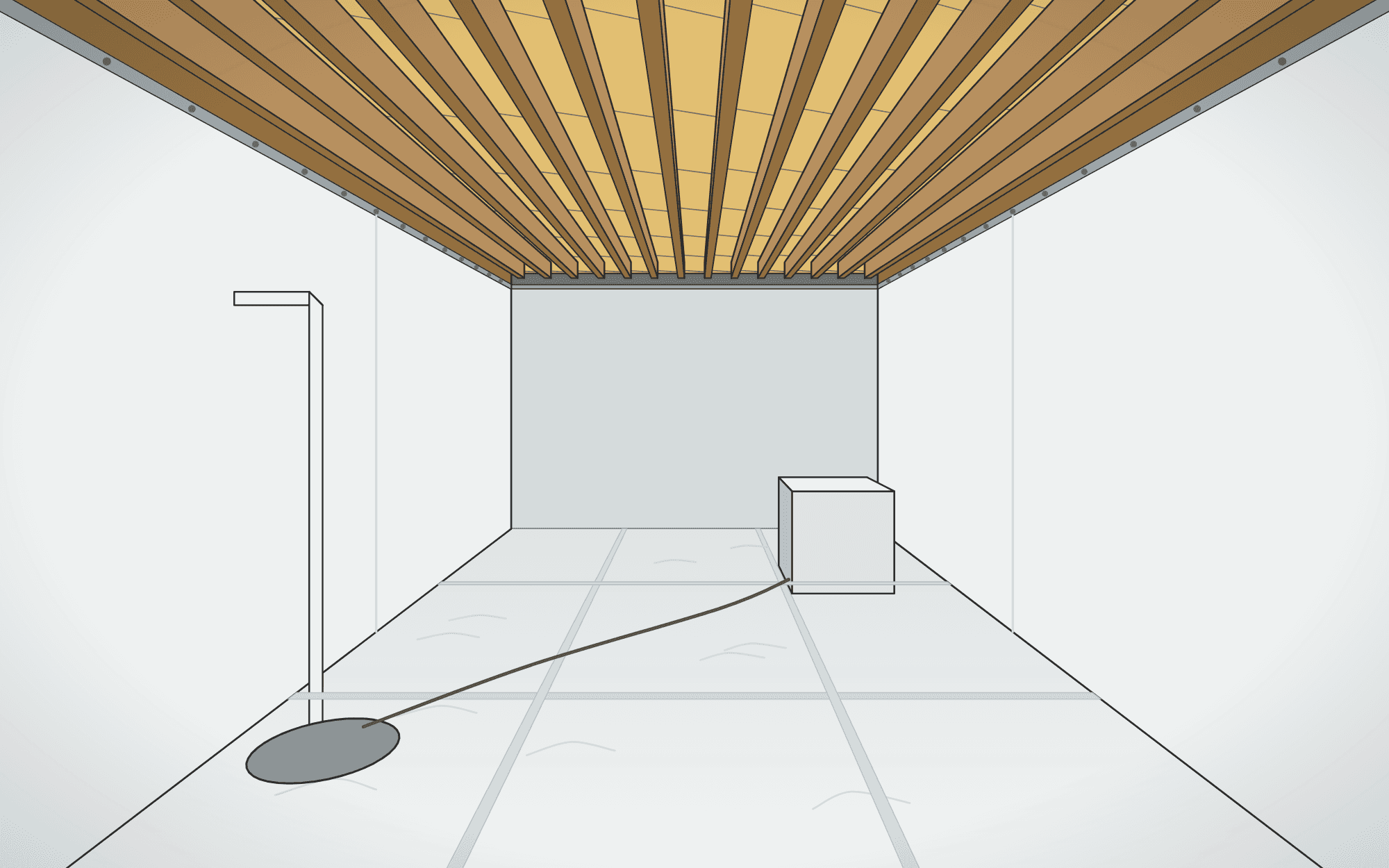
For groundwater, a drain and a sump pit with a lid, a pump, and a check valve, discharging away from the house where it won’t come back.
- 5
Then the barrier
Once it stays dry, the crawl space is ready for a new vapor barrier or full encapsulation.
Why we start here
A new vapor barrier over a wet crawl space just traps the water under plastic. That’s why water is always the first step, even when the job you called about is something else.
What you get in writing
- Where we think the water is coming from, and why
- What we’ll install and where the water will discharge
- Price for the work [Pricing format: flat price or itemized]
- [Warranty terms for pumps and drains]
Where this fits.
Crawl space work goes in one order: water, then the barrier, then the air. Here’s where this job sits, and what has to be true before we start it.
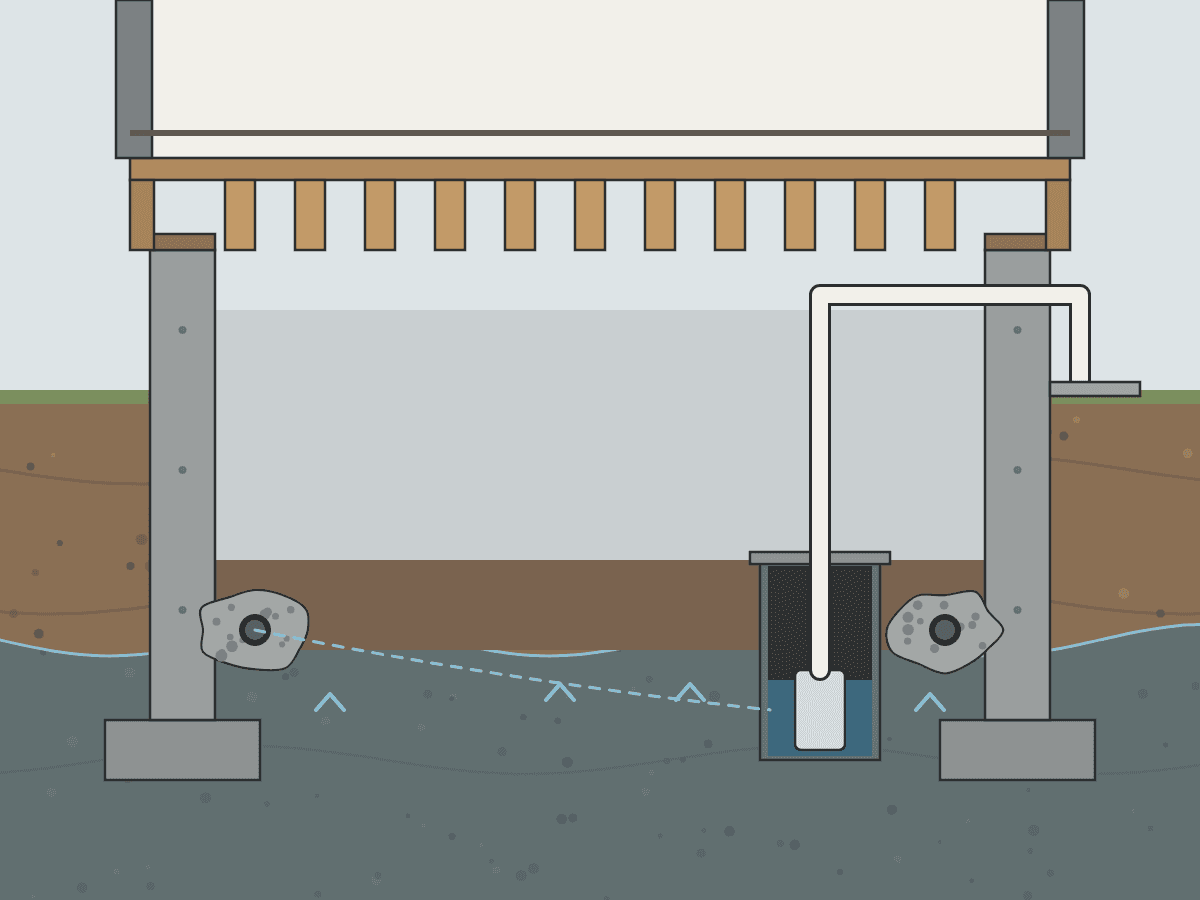
Water
This serviceFind where it’s coming from and give it somewhere to go: grading and downspouts, a drain, or a sump pump. Nothing else holds up until this is done.
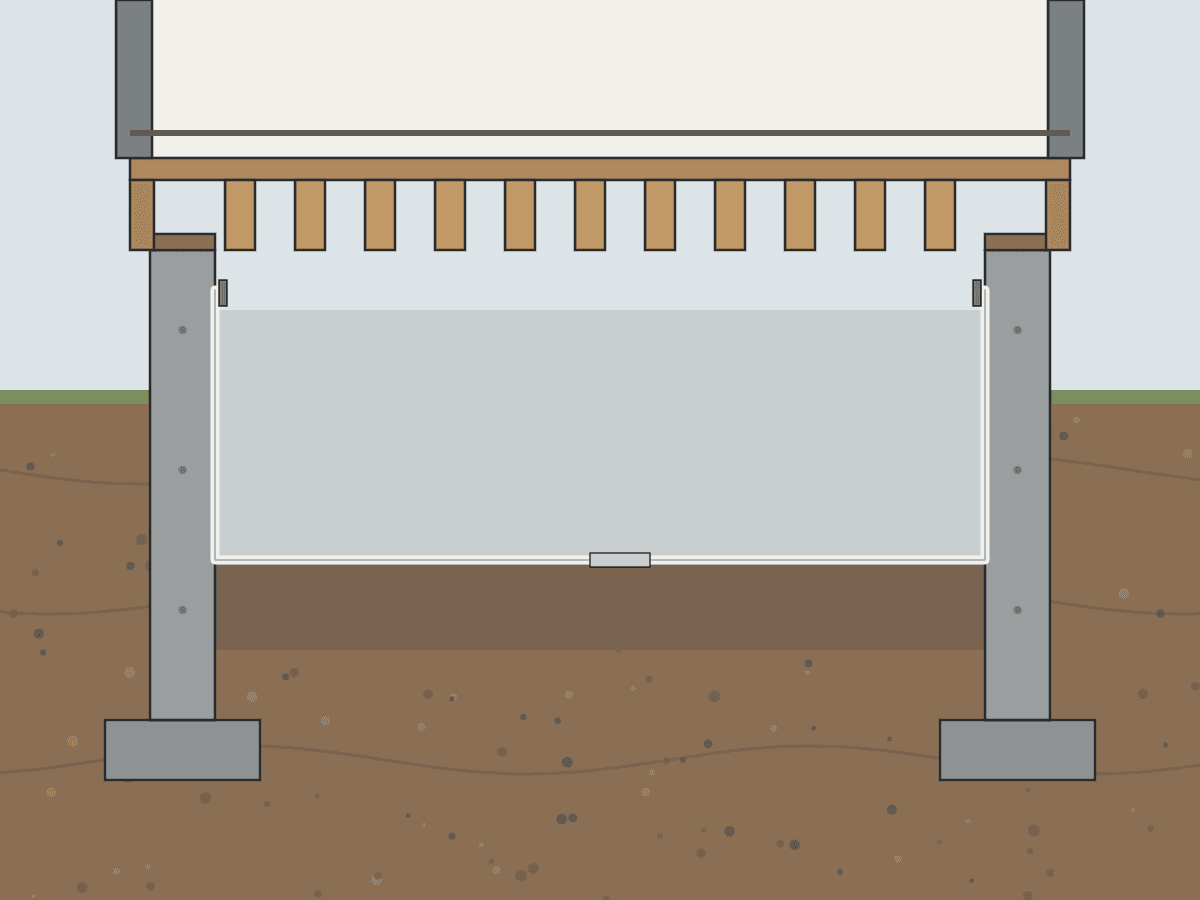
The barrier
Once it stays dry, a vapor barrier goes down over the dirt and up the walls, seams taped and edges fastened, so ground moisture stays in the ground.
Vapor barrier replacement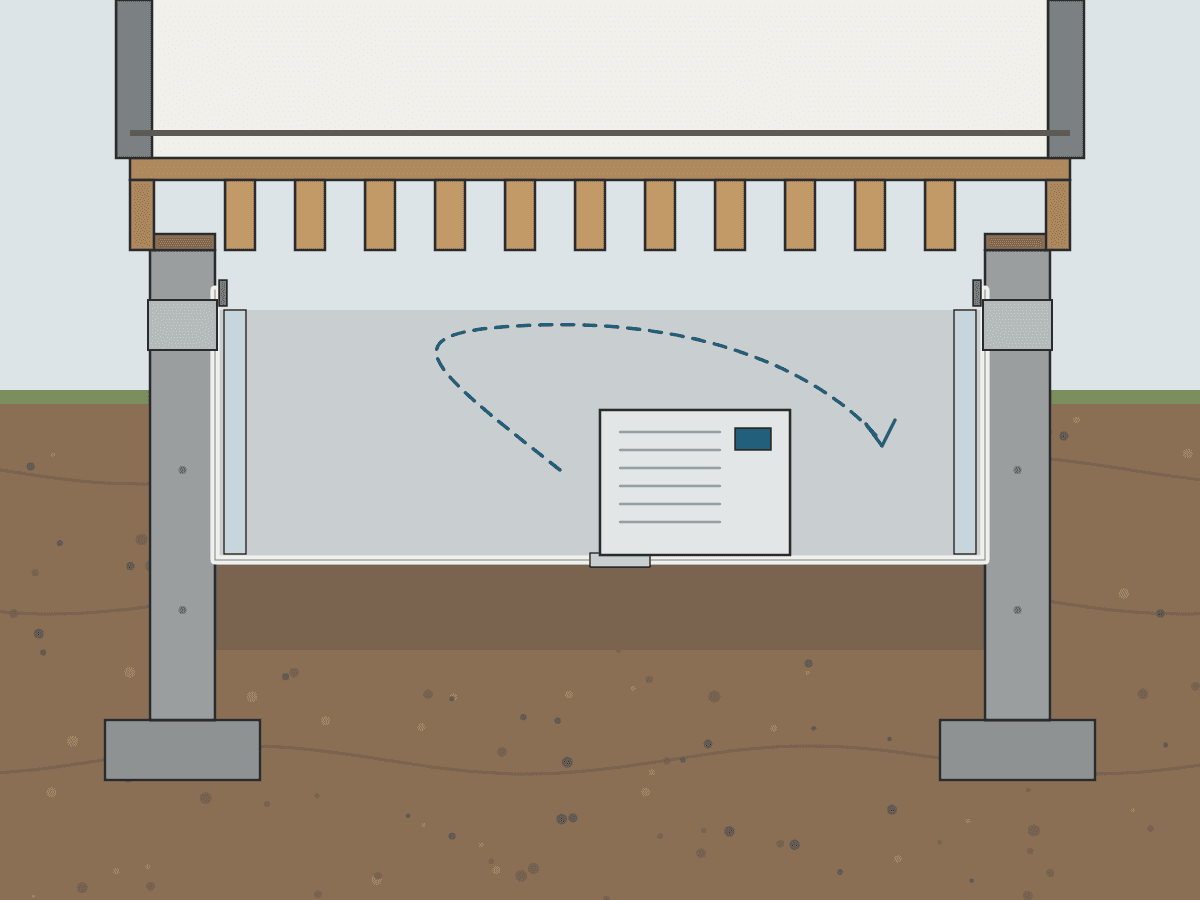
The air
Then the air: seal vents where it makes sense and dry the space with equipment sized to it. Insulation goes back in after this, not before.
Full encapsulation
Questions about water removal and sump pumps
Why is my crawl space dry in spring and wet in August?
In many valley neighborhoods the water table rises while the canals run for irrigation, roughly April to October. The water comes up from underneath, so a crawl space can look fine at a spring inspection and have standing water by midsummer.
Is it normal for a sump pump to run a lot in summer?
In a high-groundwater area during irrigation season, yes. A pump that cycles often in July and sits quiet in January is doing its job. A pump that runs nonstop or never shuts off is worth a look.
Where does the water from the sump pump go?
Out and away from the foundation, somewhere it won’t run back toward the house or onto a neighbor’s property. Where it can discharge depends on the lot and local rules, and we plan that before we install anything.
Do you handle emergencies?
[Emergency and after-hours availability]
Often done with this
Vapor barrier replacement
Pull the old plastic, fix what’s under it, and put down a barrier that’s sealed and fastened.
Call when: Torn, thin, or missing plastic, or an inspector’s note about the barrier.
Crawl space encapsulation
Sealed liner on the ground and walls, vents closed, and the air dried.
Call when: Repeat moisture, ductwork in the crawl space, or you want it done once.
Find out what’s under there.
Book an inspection and you get photos of what we found and a written plan in the order it should be done. Then you decide.