
Crawl space mold remediation
Mold under a house is a moisture problem first. Something kept the wood damp long enough for it to grow.
We clean and treat the affected framing, then fix what was feeding it. Otherwise you pay to clean it now and pay again in a couple of years.
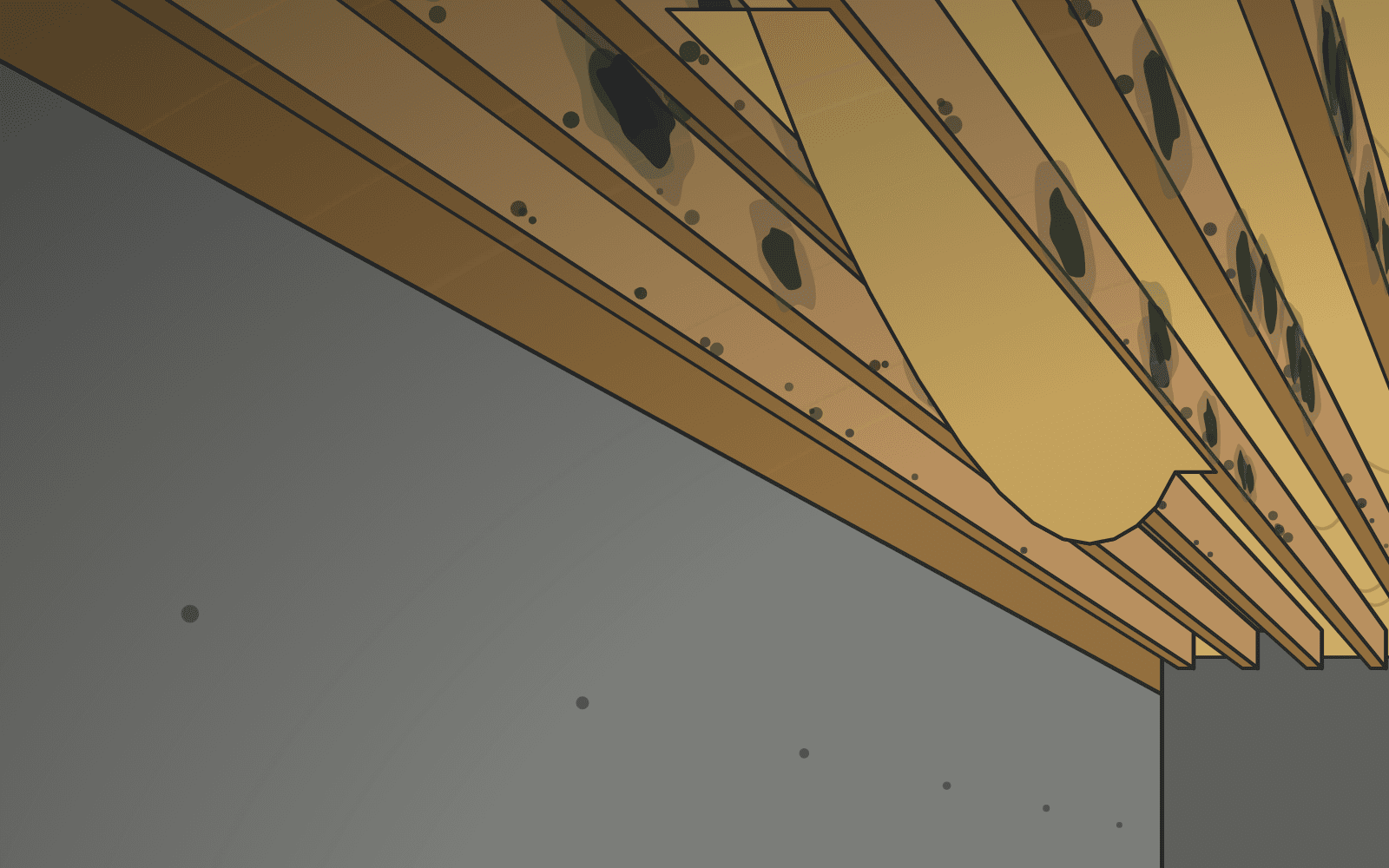
What we usually find
- Dark staining or fuzzy growth on floor joists and the underside of the subfloor
- Wet or sagging insulation between the joists
- Old plastic with water on top of it, or bare damp dirt
- A musty smell in the house, often worse in summer
- White, chalky crust on the concrete. That’s usually efflorescence, minerals left behind by water moving through the foundation, not mold. It still tells you water is getting in.
How we do it
- 1
Find the moisture
Water, a missing barrier, condensation, or a plumbing leak. This decides what the rest of the job looks like.
- 2
Protect the house
We wear protective gear and keep the work contained to the crawl space. [Containment and PPE details]
- 3
Clean and treat
Affected framing is cleaned and treated. [Cleaning method and products used]
- 4
Remove what can’t be saved
Wet or moldy insulation and old plastic come out and get hauled off.
- 5
Fix the cause
Water work, a new barrier, or full encapsulation, depending on what we found.
What we don’t do
We don’t make health claims, and we won’t try to scare you into a job. If you have health concerns, talk to your doctor. If you want lab testing, an independent tester can do that. [Whether you test, or who you refer to]
What you get in writing
- Where the mold is and what we think caused it
- Cleaning, removal, and the moisture fix, as separate line items
- Price for the work [Pricing format: flat price or itemized]
- [Warranty terms for mold remediation]
This job covers all three steps.
Done right, this work touches the water, the barrier, and the air, in that order. Skipping ahead is how jobs end up being done twice.
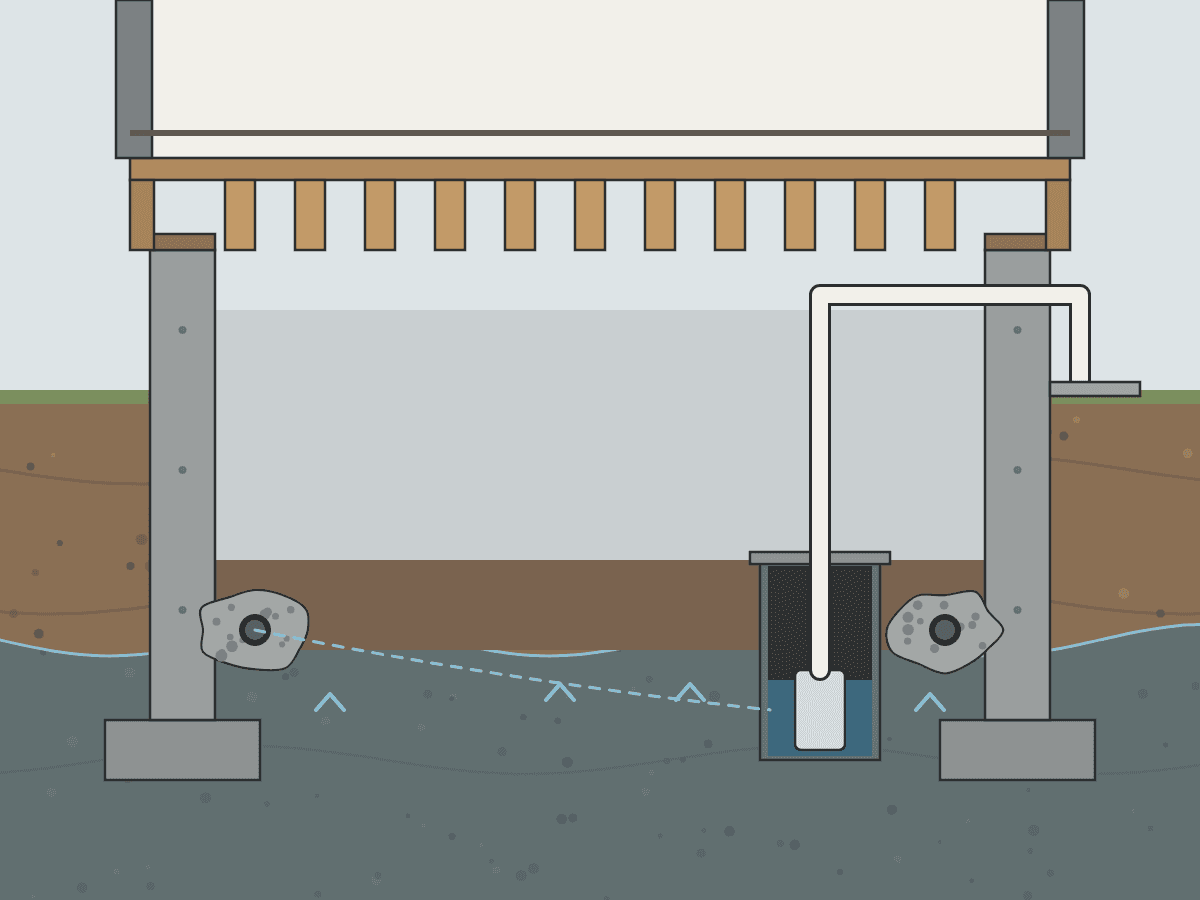
Water
Find where it’s coming from and give it somewhere to go: grading and downspouts, a drain, or a sump pump. Nothing else holds up until this is done.
Water removal and sump pumps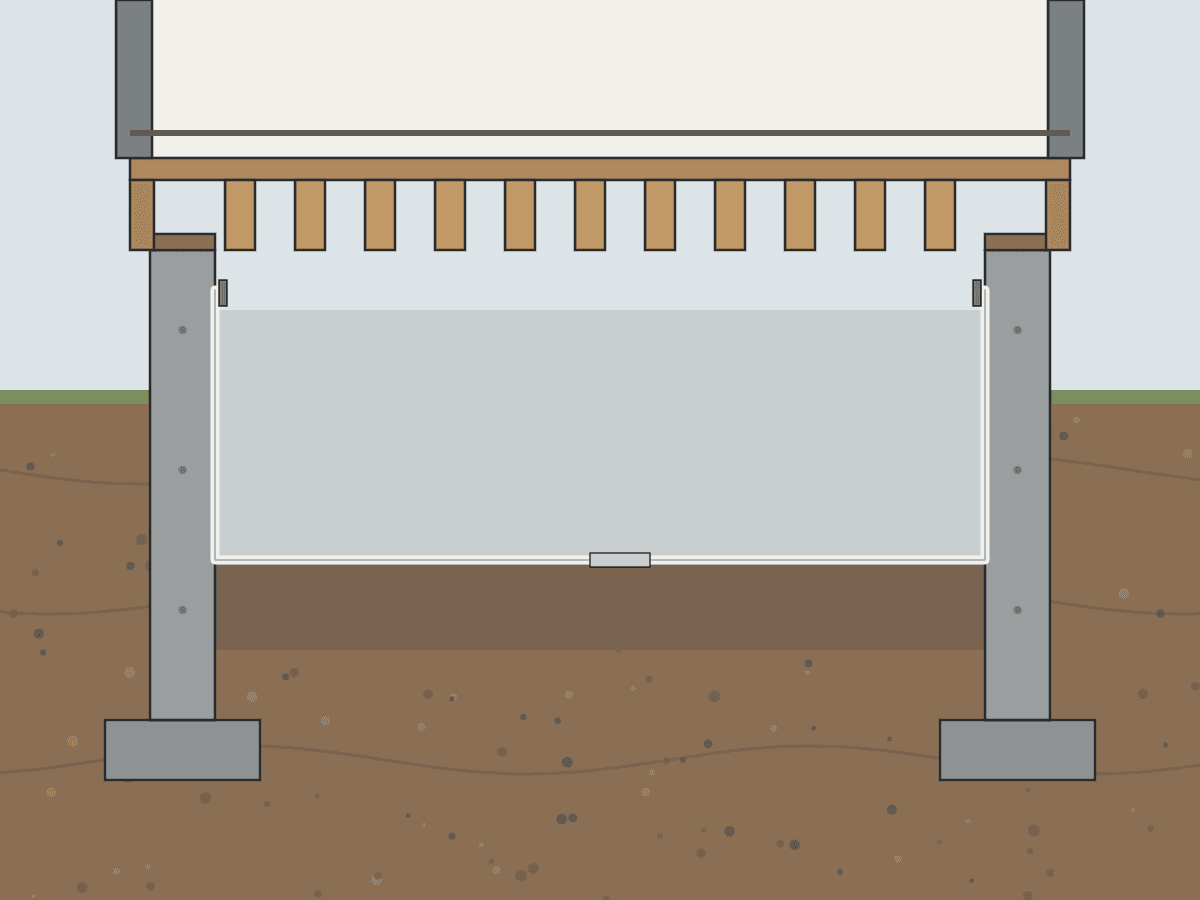
The barrier
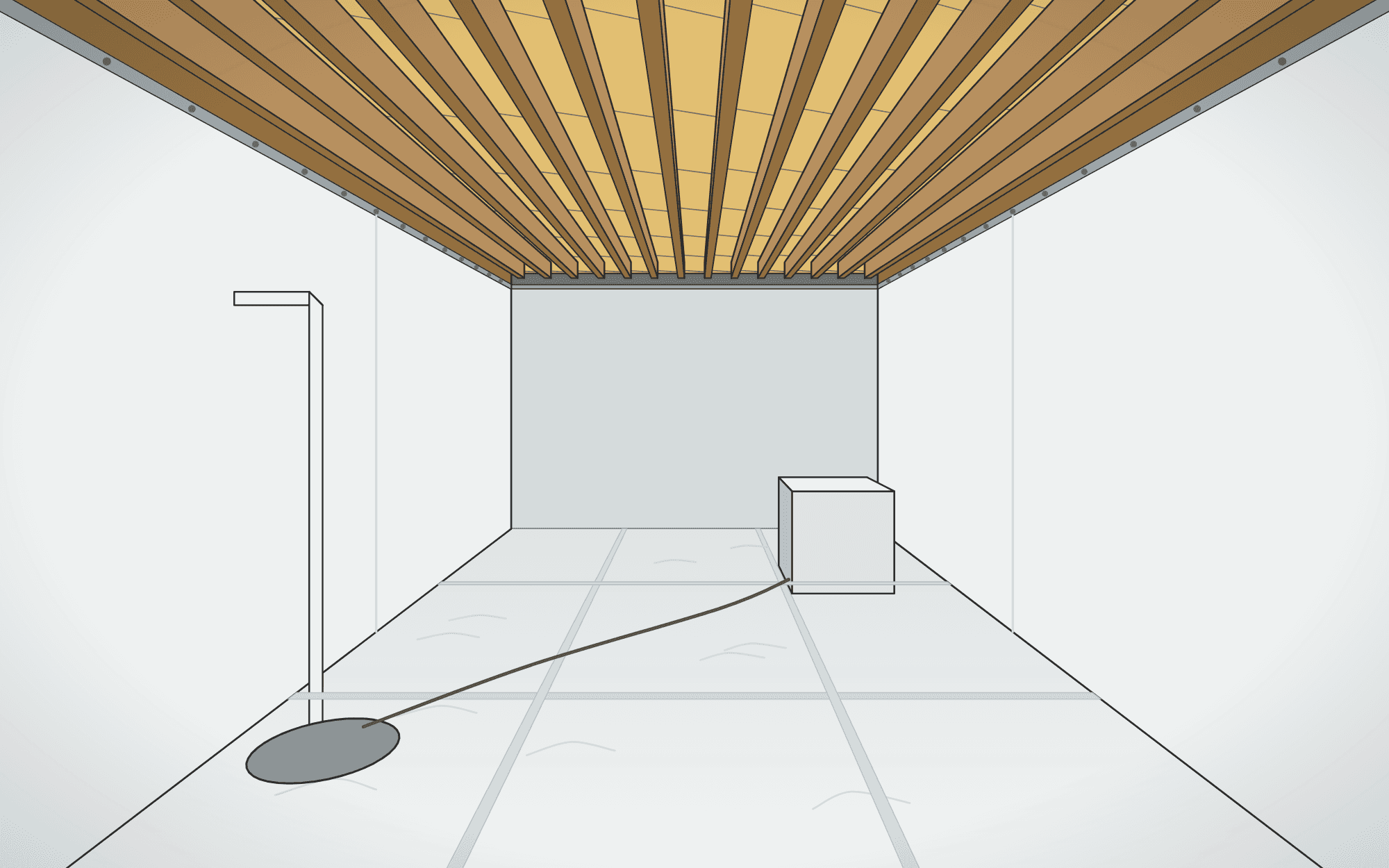
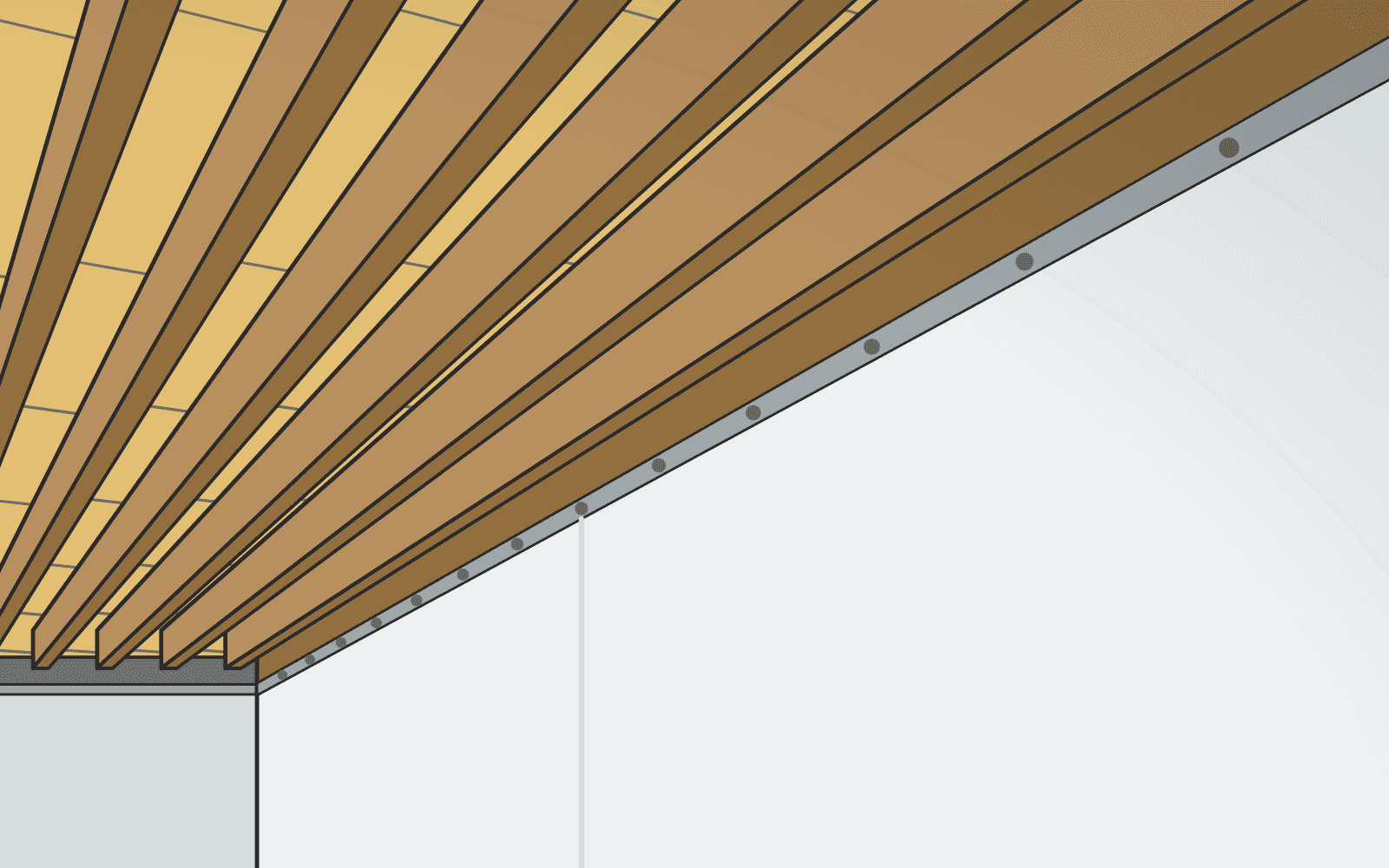
Once it stays dry, a vapor barrier goes down over the dirt and up the walls, seams taped and edges fastened, so ground moisture stays in the ground.
Vapor barrier replacement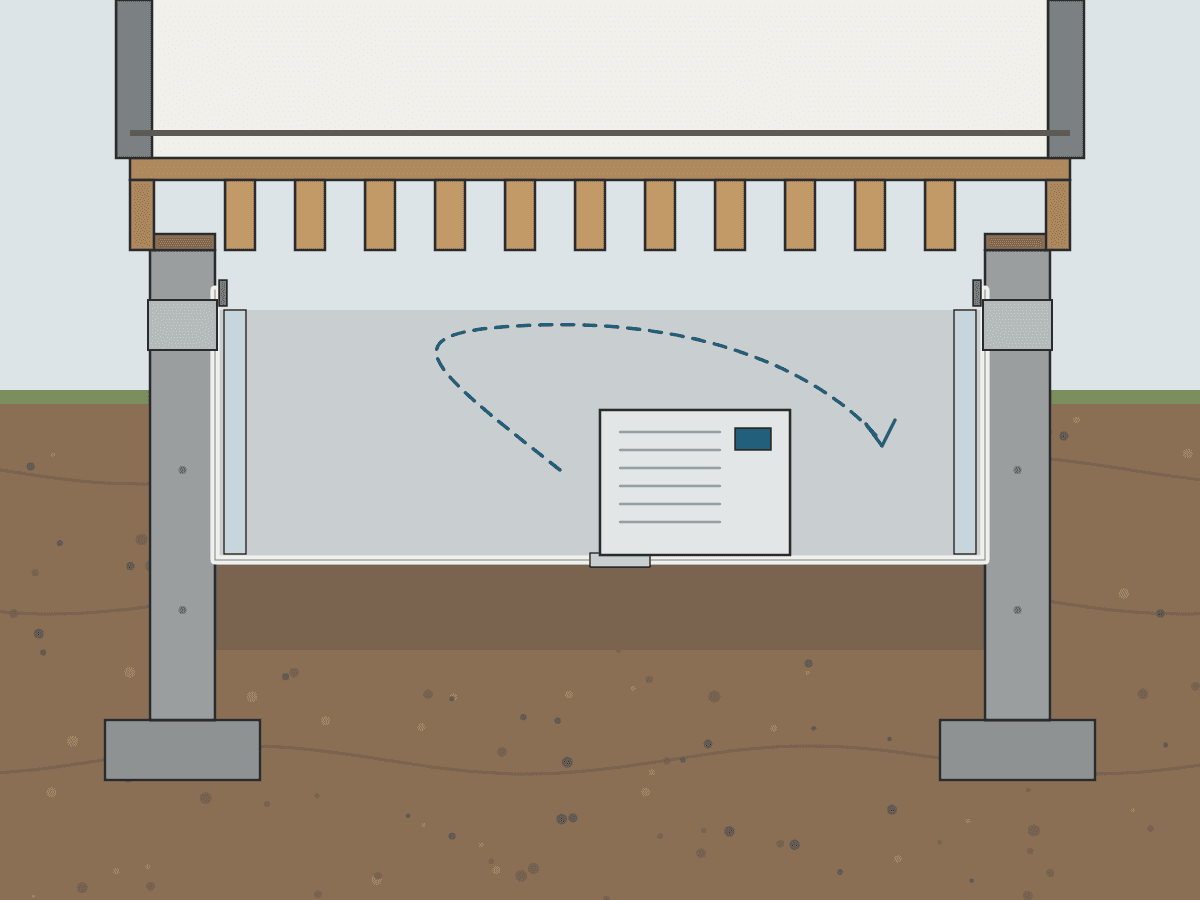
The air
Then the air: seal vents where it makes sense and dry the space with equipment sized to it. Insulation goes back in after this, not before.
Full encapsulation
Questions about mold remediation
Is the white stuff on my foundation mold?
Usually not. White, chalky, crystal-looking deposits on concrete are typically efflorescence: minerals left behind as water moves through the foundation. It isn’t mold, but it does mean water is getting in.
Can I just spray it with bleach?
Bleach doesn’t fix the moisture, which is what caused the mold. On wood framing it mostly lightens the surface. Without fixing the water, it comes back.
Do you test for mold?
[Whether you test, or who you refer to]
Will mold stop a home sale?
It often shows up on an inspection report and ends up in the repair request. We write a scope both agents can work from and send them a photo report when the work is done.
Often done with this
Crawl space encapsulation
Sealed liner on the ground and walls, vents closed, and the air dried.
Call when: Repeat moisture, ductwork in the crawl space, or you want it done once.
Crawl space insulation
New insulation under the floor or on the walls, with old, wet, or damaged insulation pulled out first.
Call when: Cold floors, no insulation at all, or batts hanging down, wet, or torn up by rodents.
Find out what’s under there.
Book an inspection and you get photos of what we found and a written plan in the order it should be done. Then you decide.