
Crawl space insulation
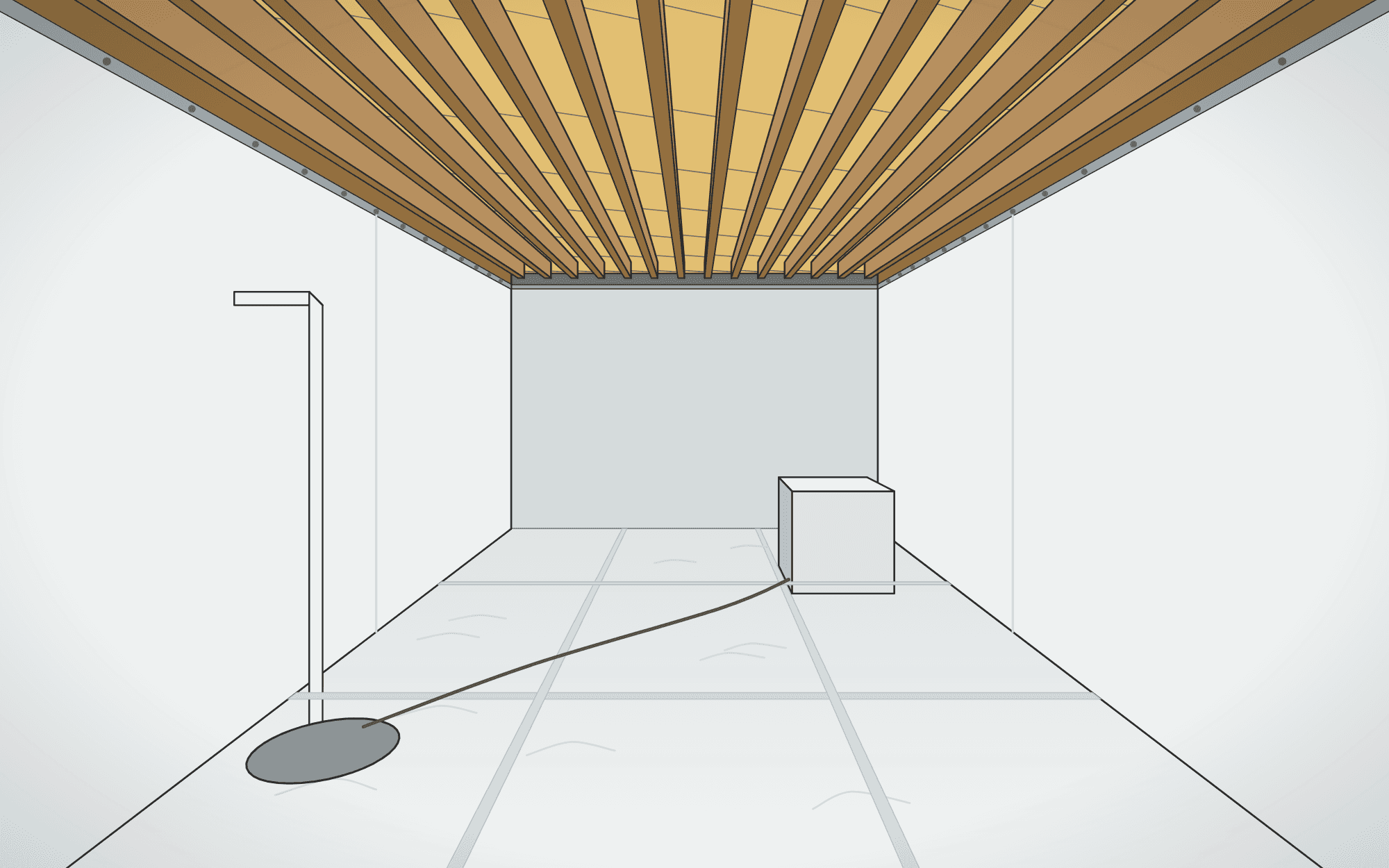
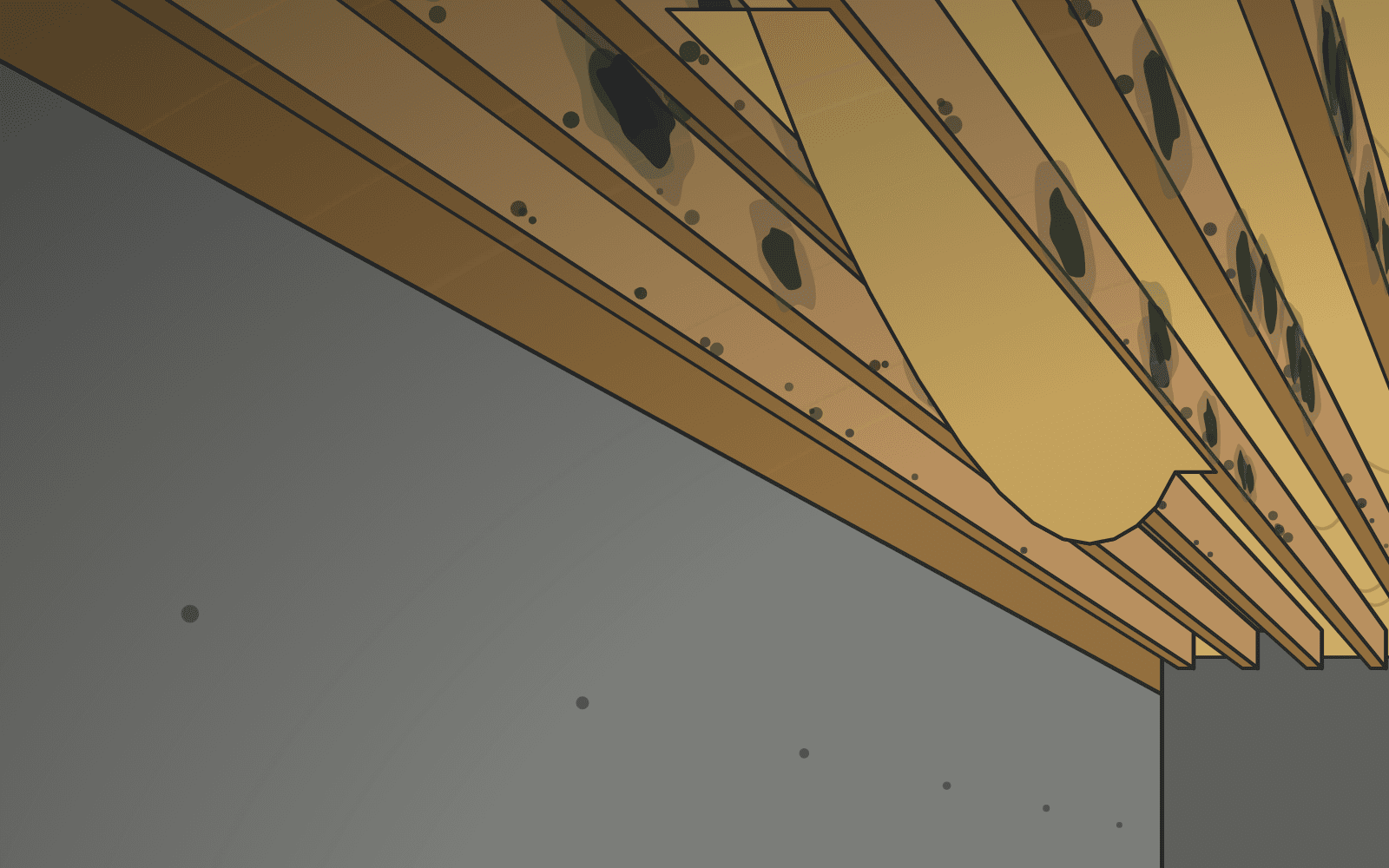
Some crawl spaces have no insulation at all. Others have batts that are wet, hanging down, or torn up by mice, which hold moisture against the framing and stop doing their job.
Either way, we install insulation that fits how your crawl space is set up. Anything that can’t stay comes out first, bagged and hauled off, and the new goes in once the space is dry.
When to call
- Floors that feel cold even with the heat on
- No insulation under the floor at all
- Batts sagging, falling, or lying on the ground
- Insulation that’s damp, stained, or heavy with water
- Nests, droppings, or tunnels from rodents
- You’re sealing the crawl space, and the insulation needs to move to the walls
How we do it
- 1
Look at the setup
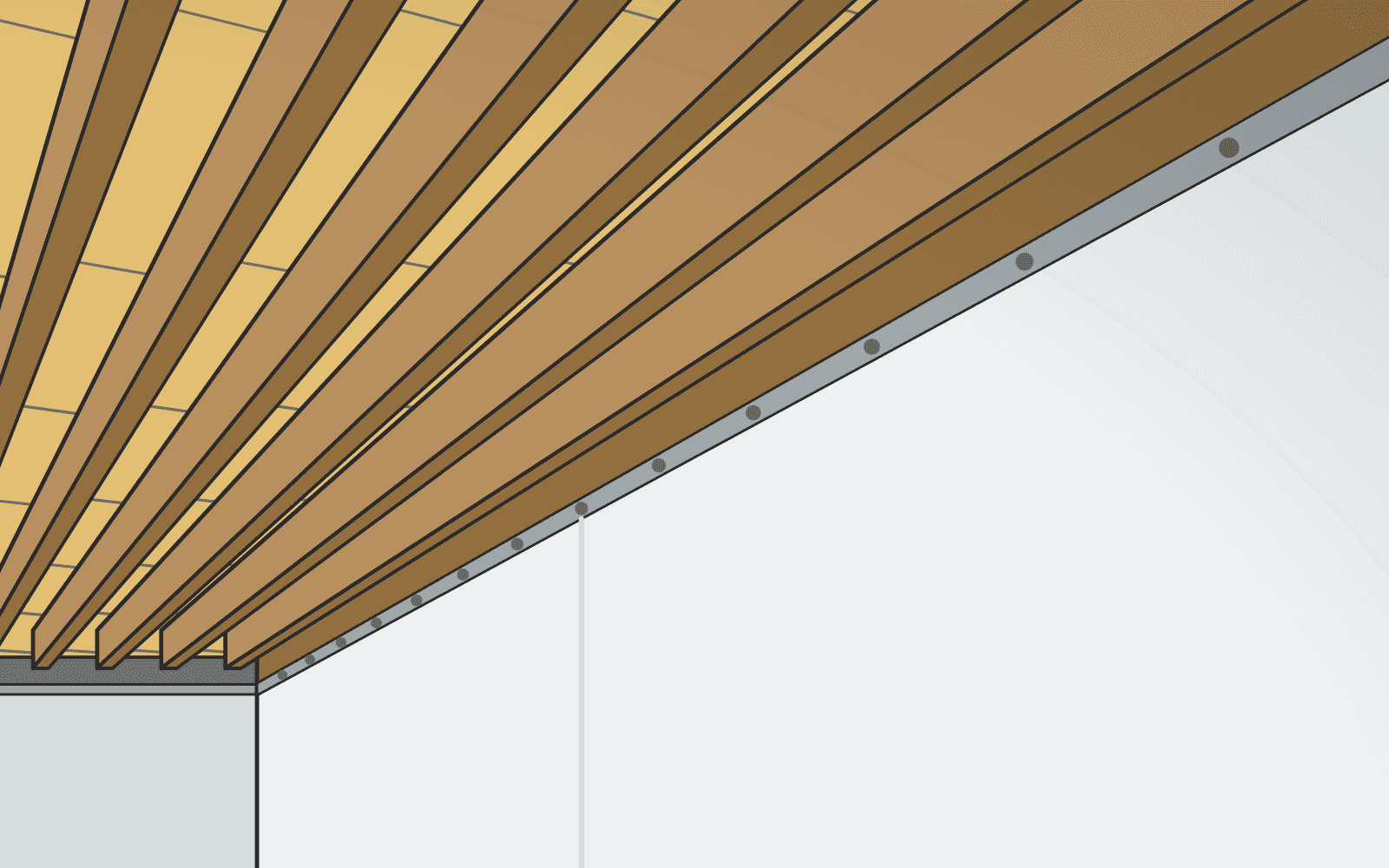
Whether the crawl space is vented or sealed decides where the insulation belongs: between the floor joists, or on the walls and rim joists.
- 2
Remove what can’t stay
Wet, fallen, or rodent-damaged insulation comes out and is bagged in the crawl space so it isn’t dragged through the house.
- 3
Fix the moisture
If water or condensation took the old insulation down, that gets handled first, or the new insulation ends up the same way.
- 4
Install
[Insulation types and R-values you install], fitted to the joist bays, or to the walls and rim joists in a sealed crawl space.
- 5
Hold it in place
Floor insulation is supported so it stays tight to the subfloor. [Support and fastening method]
Floor or walls?
In a vented crawl space, insulation goes between the floor joists. In an encapsulated one, it usually moves to the walls and rim joists. We’ll tell you which fits your house before anything goes in.
What you get in writing
- Where the insulation goes, and what type
- Square footage to remove, if any, and to install
- Price for the work [Pricing format: flat price or itemized]
- [Warranty terms for insulation]
Where this fits.
Crawl space work goes in one order: water, then the barrier, then the air. Here’s where this job sits, and what has to be true before we start it.
Water
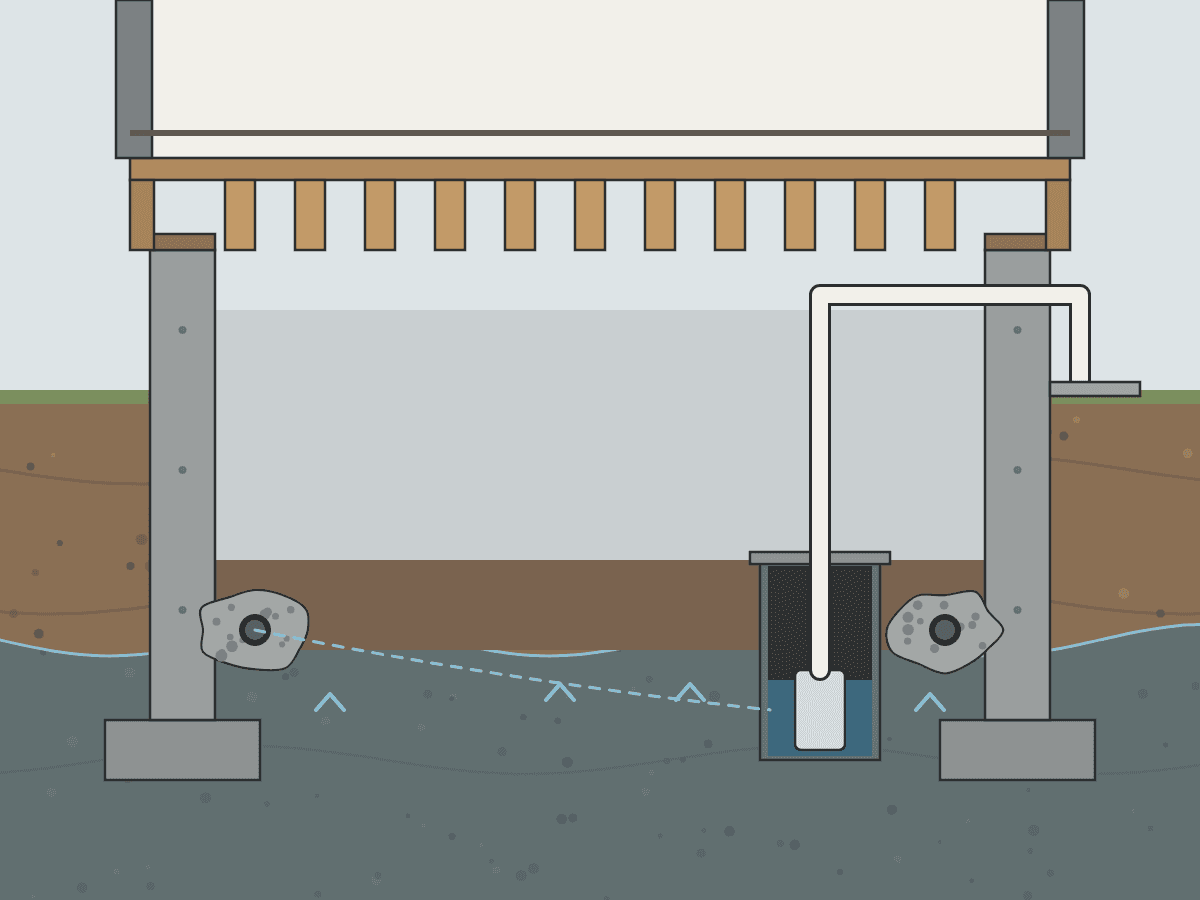
Find where it’s coming from and give it somewhere to go: grading and downspouts, a drain, or a sump pump. Nothing else holds up until this is done.
Water removal and sump pumps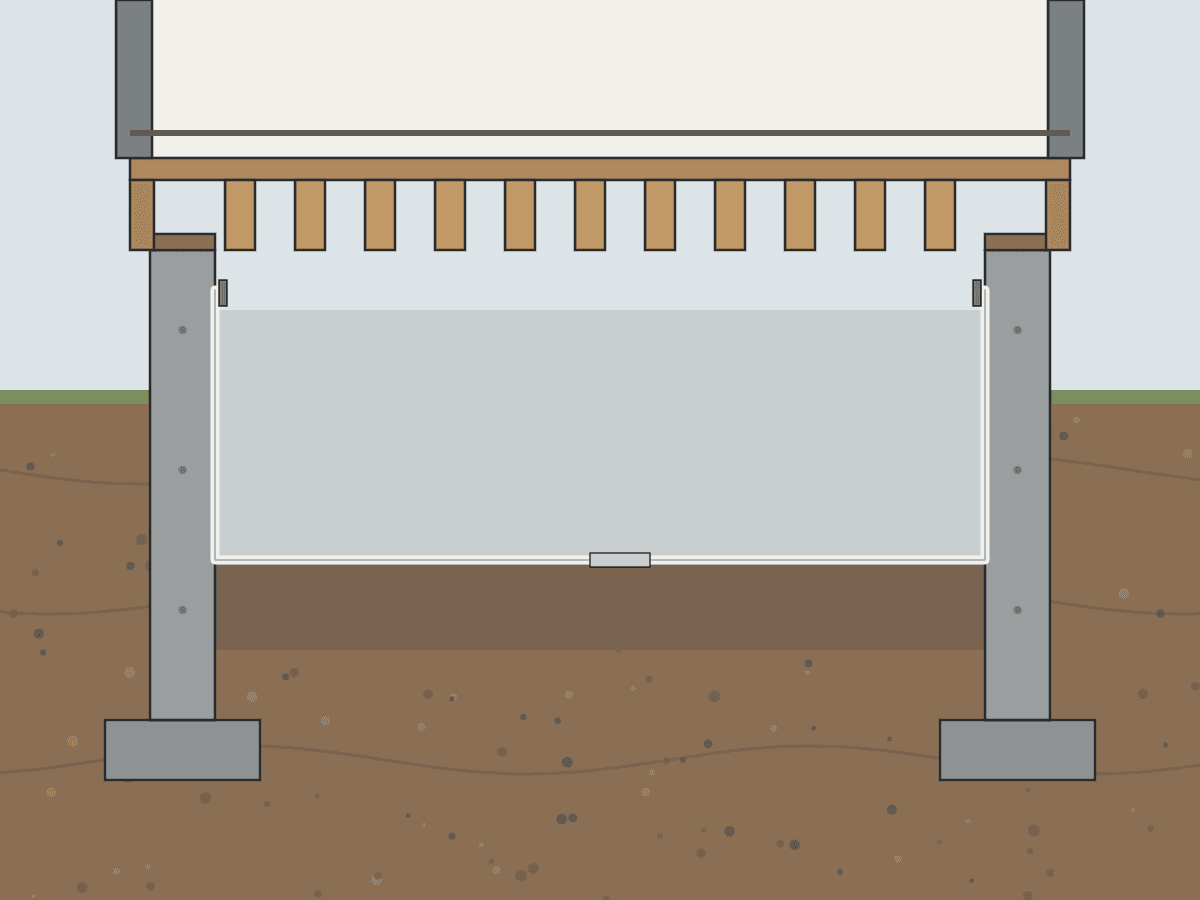
The barrier
Once it stays dry, a vapor barrier goes down over the dirt and up the walls, seams taped and edges fastened, so ground moisture stays in the ground.
Vapor barrier replacement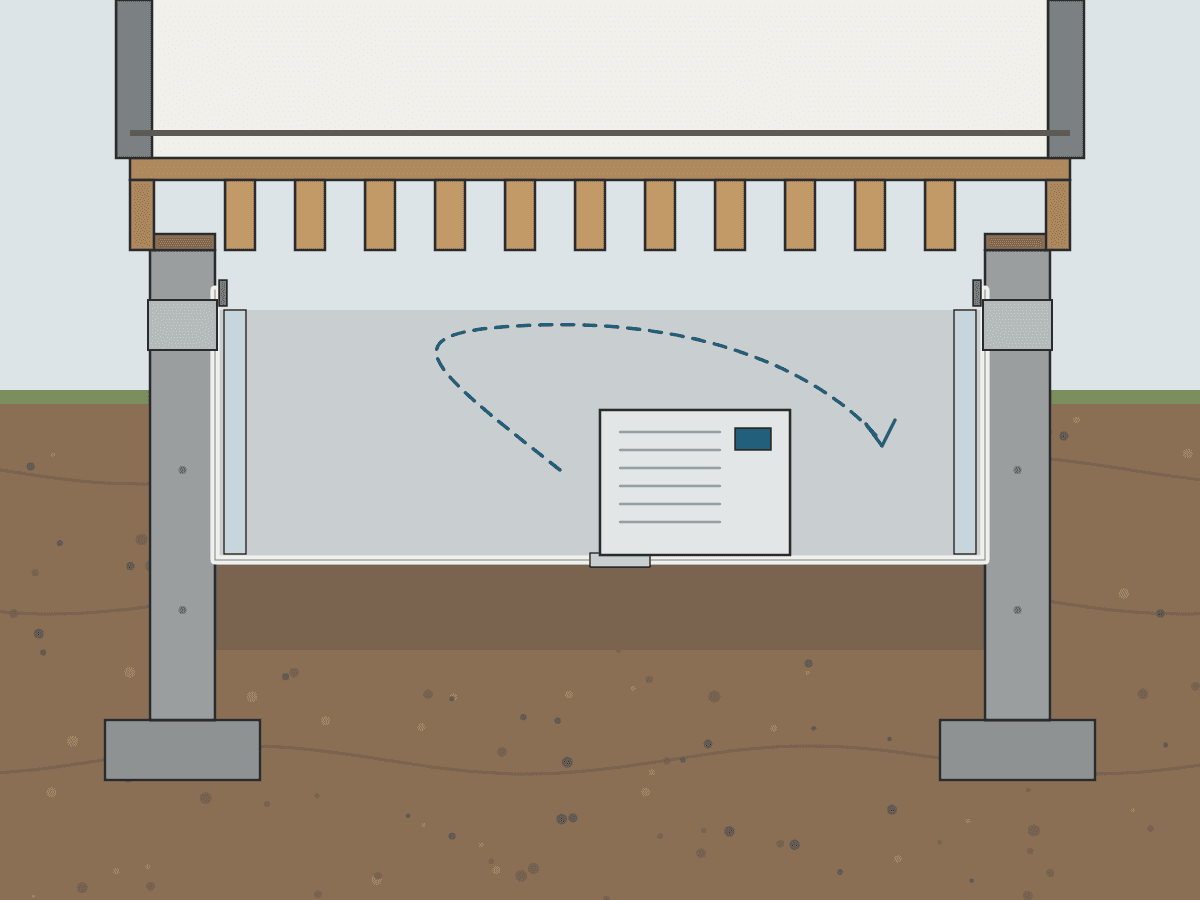
The air
This serviceThen the air: seal vents where it makes sense and dry the space with equipment sized to it. Insulation goes back in after this, not before.
Questions about crawl space insulation
Should my crawl space insulation be under the floor or on the walls?
It depends on the crawl space. If it’s vented to the outside, insulation goes between the floor joists. If it’s sealed or encapsulated, it usually goes on the walls and rim joists instead. Putting it in the wrong place is a common reason it doesn’t work.
Why does crawl space insulation keep falling down?
Usually moisture. Wet batts get heavy and pull away from the floor. Poor or missing supports don’t help. Replacing it without fixing the moisture means it comes down again.
Can you put new insulation over the old?
Not if the old insulation is wet or contaminated. It keeps holding moisture against the framing. It has to come out.
What R-value do you install?
[R-values and products you install, and any local code minimum you build to]
What about the mice?
We remove the damaged insulation and clean up after them. For active rodents, you’ll want pest control as well. [Pest control referral, if any]
Often done with this
Crawl space encapsulation
Sealed liner on the ground and walls, vents closed, and the air dried.
Call when: Repeat moisture, ductwork in the crawl space, or you want it done once.
Mold remediation
Clean and treat the framing, then fix whatever kept it wet.
Call when: Dark staining or growth on joists and subfloor, or a musty smell.
Find out what’s under there.
Book an inspection and you get photos of what we found and a written plan in the order it should be done. Then you decide.