
Crawl space encapsulation
Encapsulation turns the crawl space into a sealed, dry part of the house instead of a damp space under it. A heavy liner goes on the ground and walls, the vents and gaps get sealed, and a dehumidifier keeps the air dry.
It’s the most complete fix we do. It also only works if the water is handled first, so that’s where every encapsulation starts.
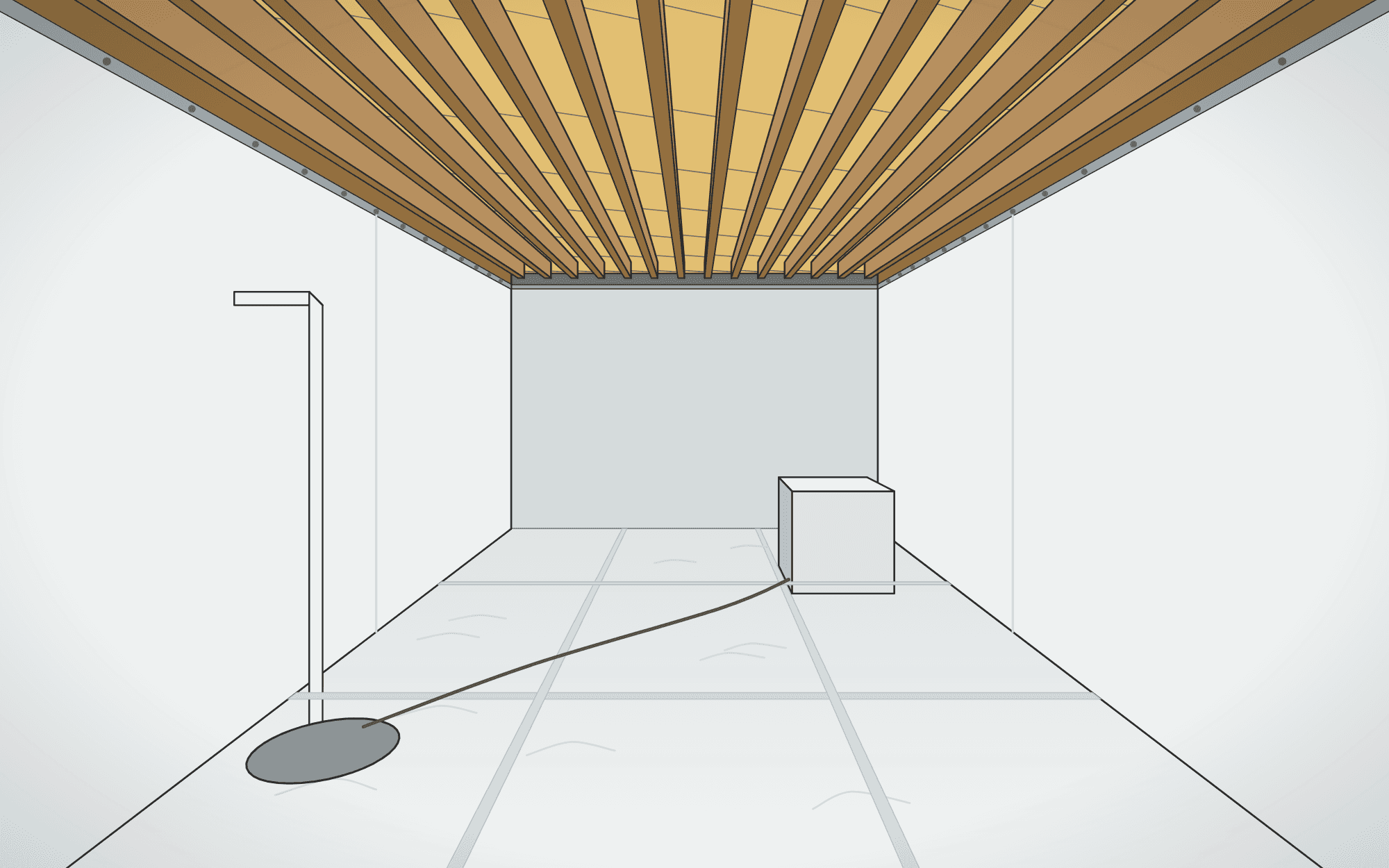
Who it makes sense for
- Crawl spaces that have had moisture, condensation, or mold more than once
- Ductwork or a furnace in the crawl space
- Homes where the vented crawl space stays damp all summer
- Owners who plan to stay a while and want it done once
How we do it
- 1
Water first
Drainage or a sump pump if the space needs one. Nothing gets sealed in until it stays dry.
- 2
Clean it out
Old plastic, debris, and wet or damaged insulation come out.
- 3
Seal the openings
Foundation vents and gaps at the rim get sealed so damp outside air stops coming in.
- 4
Liner on the floor and walls
[Liner thickness and brand], seams sealed, fastened at the top of the wall.
- 5
Dry the air
A dehumidifier sized to the space, with its drain run to [Dehumidifier drain location].
- 6
Insulation, if needed
In a sealed crawl space, insulation often belongs on the walls rather than under the floor. We’ll tell you which fits your house.
One thing to check first
Sealing a crawl space changes how the house handles air. If there are gas appliances down there, like a furnace or water heater, their combustion air has to be accounted for. We look at that during the inspection.
What you get in writing
- Water work needed first, if any
- Liner, sealing, and dehumidifier we’ll install
- Price for the work [Pricing format: flat price or itemized]
- [Warranty terms for encapsulation]
This job covers all three steps.
Done right, this work touches the water, the barrier, and the air, in that order. Skipping ahead is how jobs end up being done twice.
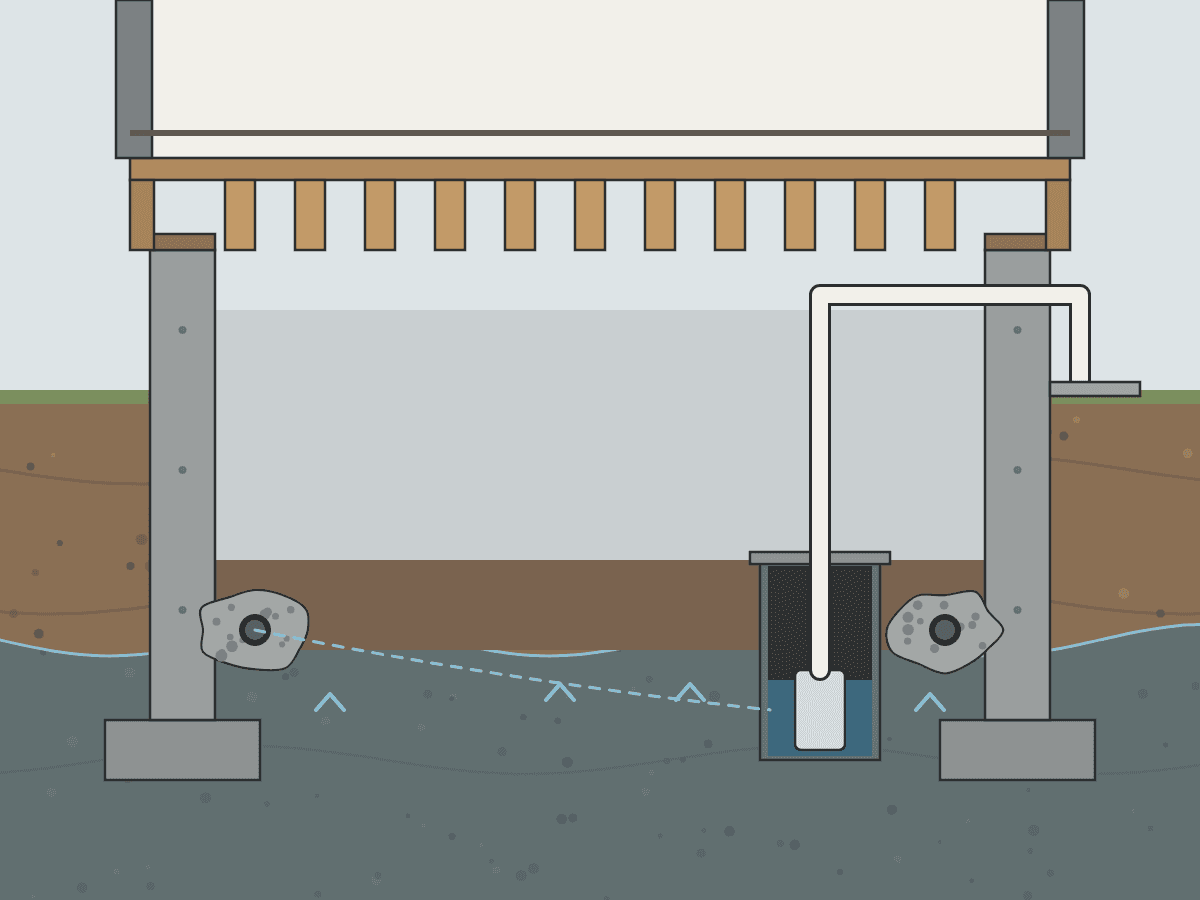
Water
Find where it’s coming from and give it somewhere to go: grading and downspouts, a drain, or a sump pump. Nothing else holds up until this is done.
Water removal and sump pumps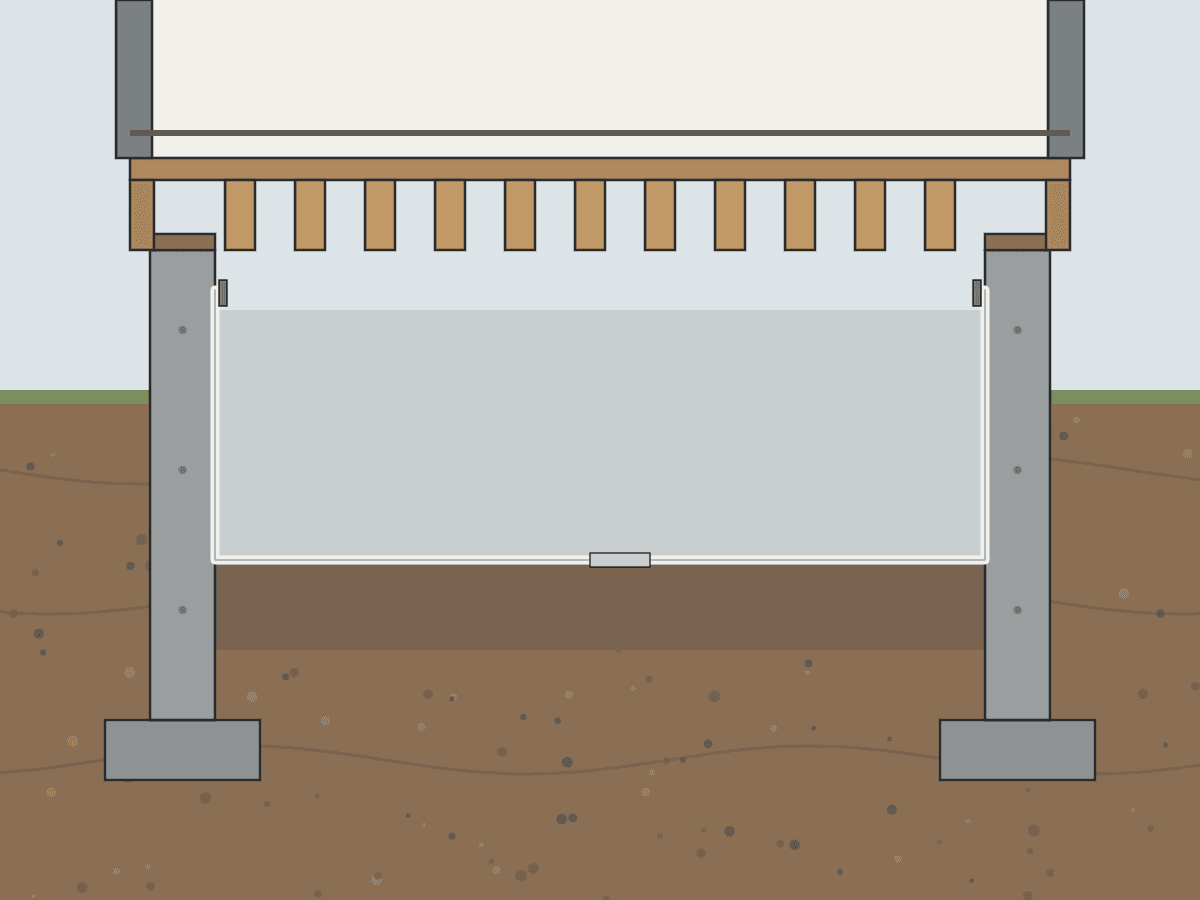
The barrier
Once it stays dry, a vapor barrier goes down over the dirt and up the walls, seams taped and edges fastened, so ground moisture stays in the ground.
Vapor barrier replacement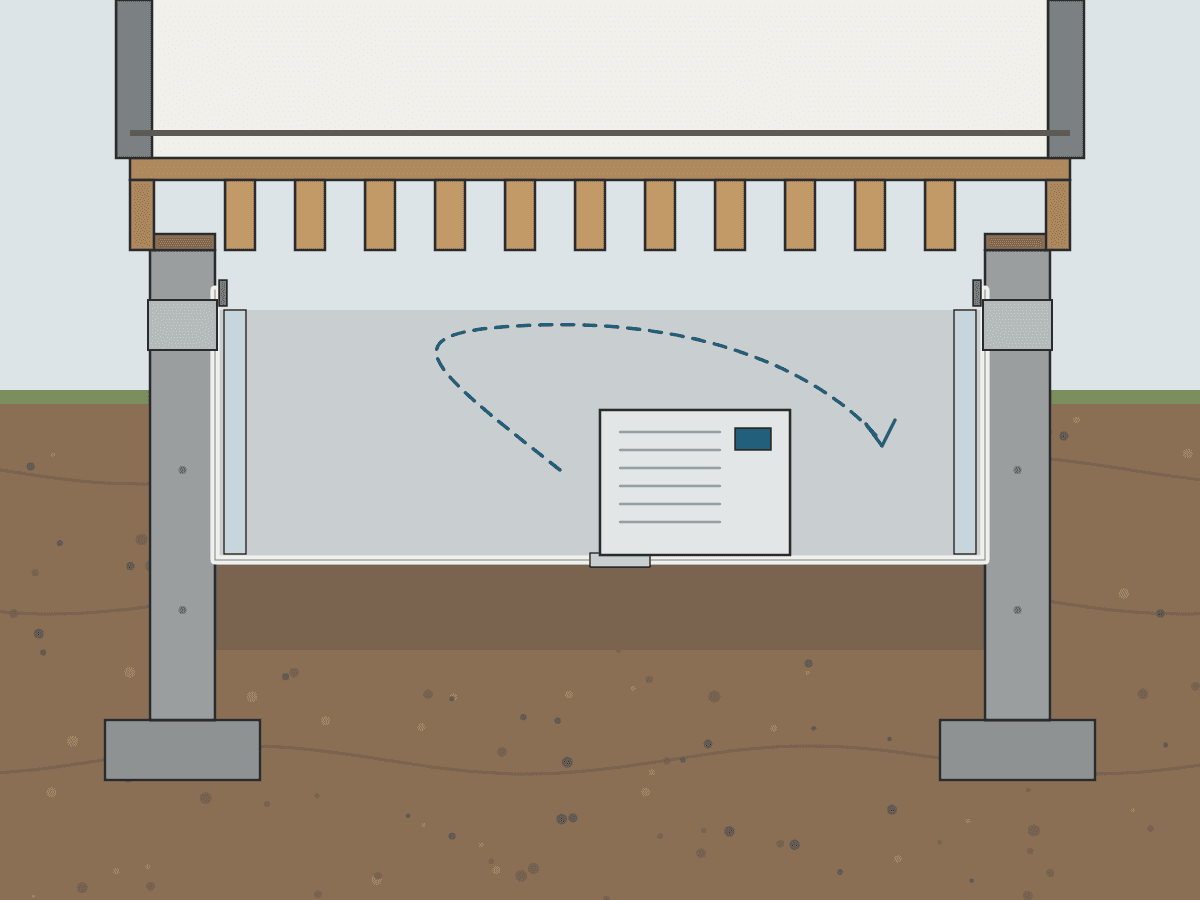
The air
Then the air: seal vents where it makes sense and dry the space with equipment sized to it. Insulation goes back in after this, not before.
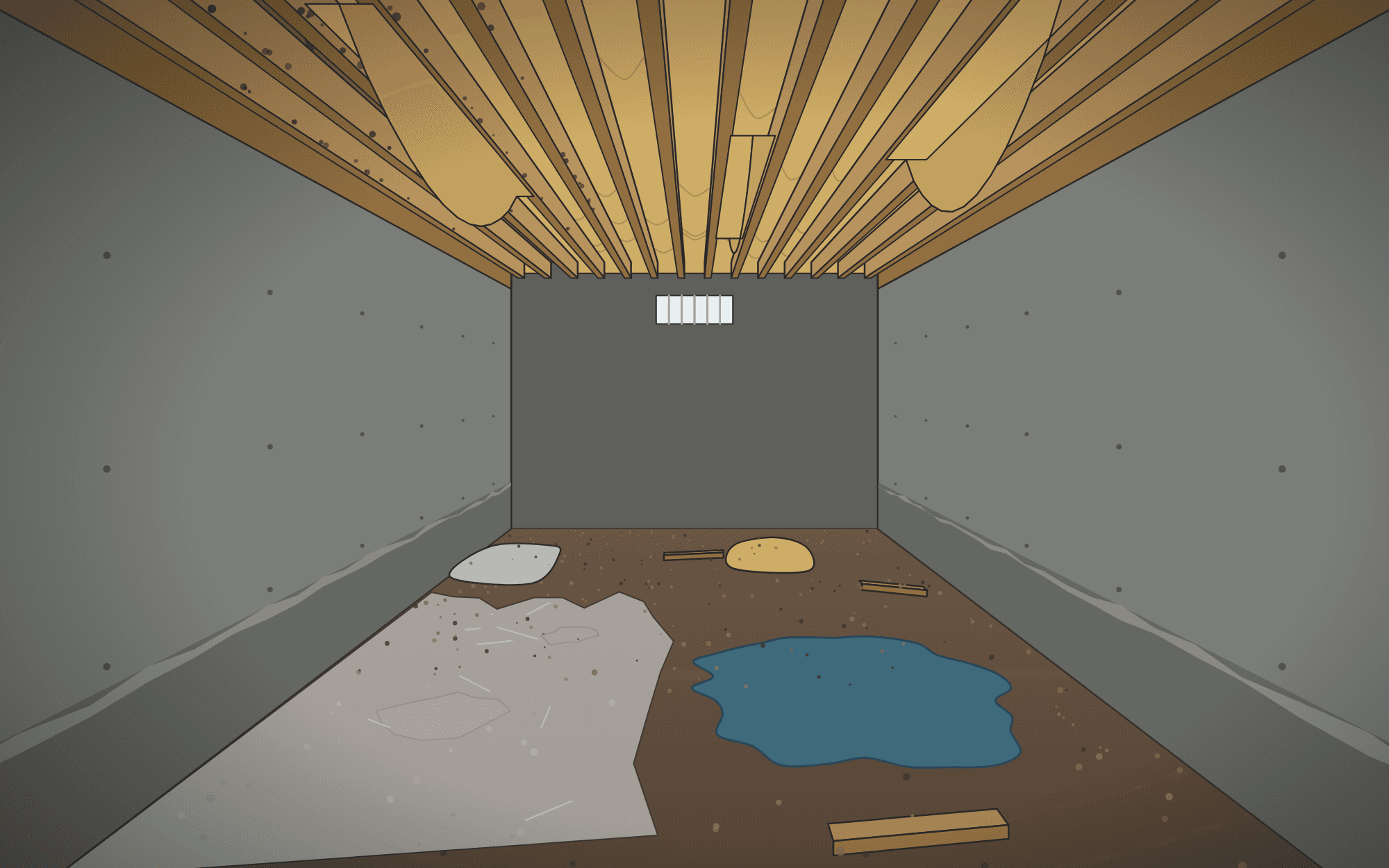
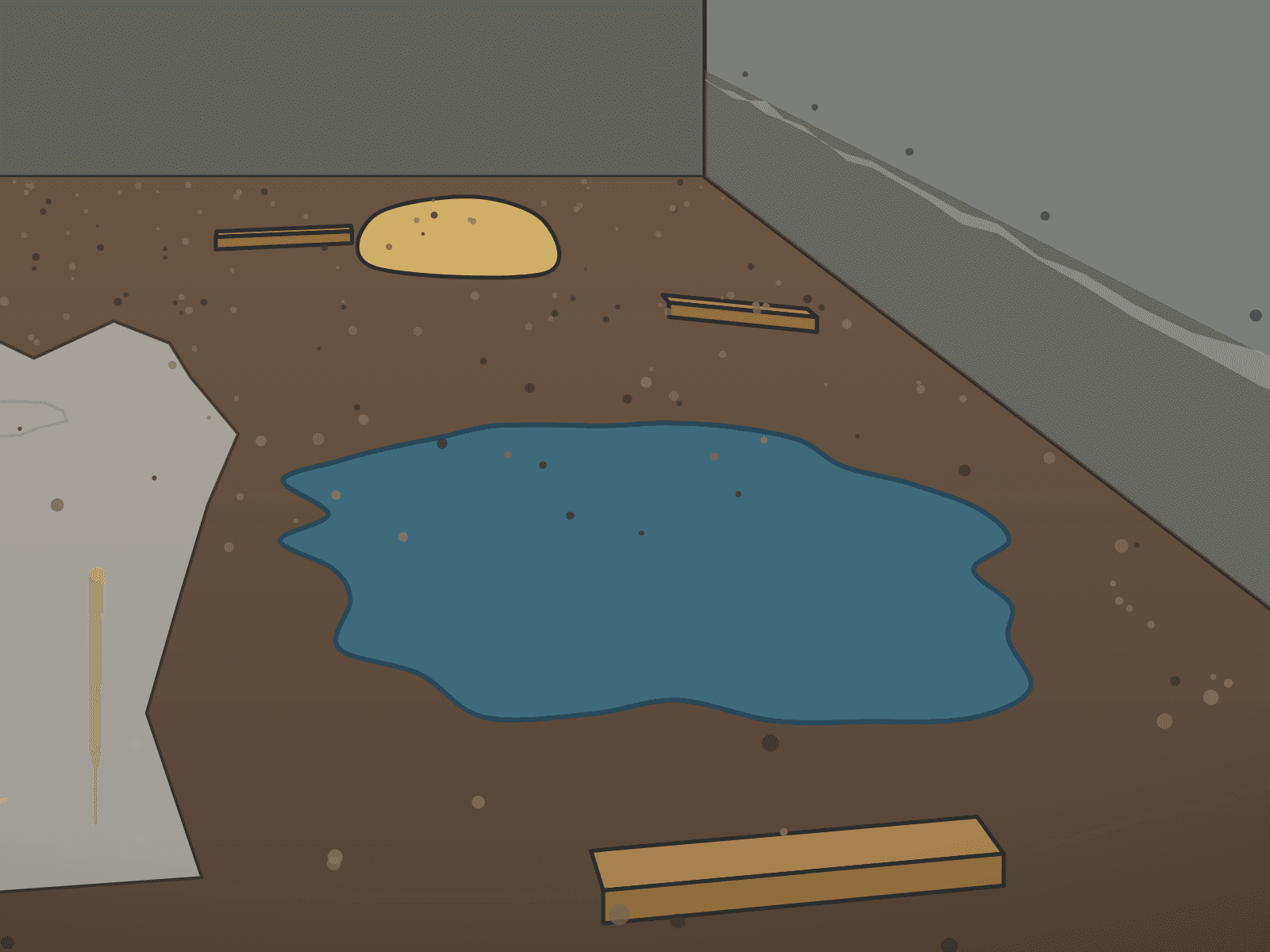
Same crawl space. Before, and after.
Drag the line to compare. Illustration. [Swap in a real job pair]
Questions about crawl space encapsulation
Do I really need a dehumidifier?
In a sealed crawl space, yes, or some other way of drying the air. Once the vents are closed, moisture that gets in has to be removed somehow. We size the dehumidifier to the space.
Will encapsulation stop standing water?
Not by itself. Water gets handled first with drainage or a sump pump. Sealing a liner over water just hides it.
How long does it take?
[Typical job length, e.g. 2 to 4 days depending on size]
What’s the difference between this and a new vapor barrier?
A vapor barrier covers the ground. Encapsulation seals the whole space, including the walls and vents, and dries the air. A barrier is often enough; encapsulation is for spaces that keep having problems or have ductwork down there.
Often done with this
Water removal and sump pumps
Pump it out, find where it comes from, and give it a permanent way out.
Call when: Standing water, wet dirt, or a pump that runs all summer.
Vapor barrier replacement
Pull the old plastic, fix what’s under it, and put down a barrier that’s sealed and fastened.
Call when: Torn, thin, or missing plastic, or an inspector’s note about the barrier.
Find out what’s under there.
Book an inspection and you get photos of what we found and a written plan in the order it should be done. Then you decide.